
Fentanyl is a fast-acting synthetic opioid that has sharply increased overdose risk across South Jersey. Because it can be mixed into other drugs or pressed into counterfeit pills, people may be exposed without realizing it, which may result in devastating consequences for individuals and families.
Knowing what fentanyl is, how it affects the body, and what overdose looks like can help you respond quickly and compassionately when something feels wrong.
If someone may be overdosing right now, call 911 immediately and give naloxone if it is available.

What Should Families Know About Fentanyl South Jersey Risks?
Fentanyl South Jersey concerns are not limited to one town, one age group, or one type of drug use. The biggest danger is that a person may not know fentanyl is present at all, especially when taking a pill that looks like a prescription medication or using another substance that has been mixed with illegally made fentanyl. The safest response is to treat possible opioid overdose as a medical emergency and to connect the person with professional support as soon as possible.
What Fentanyl Is
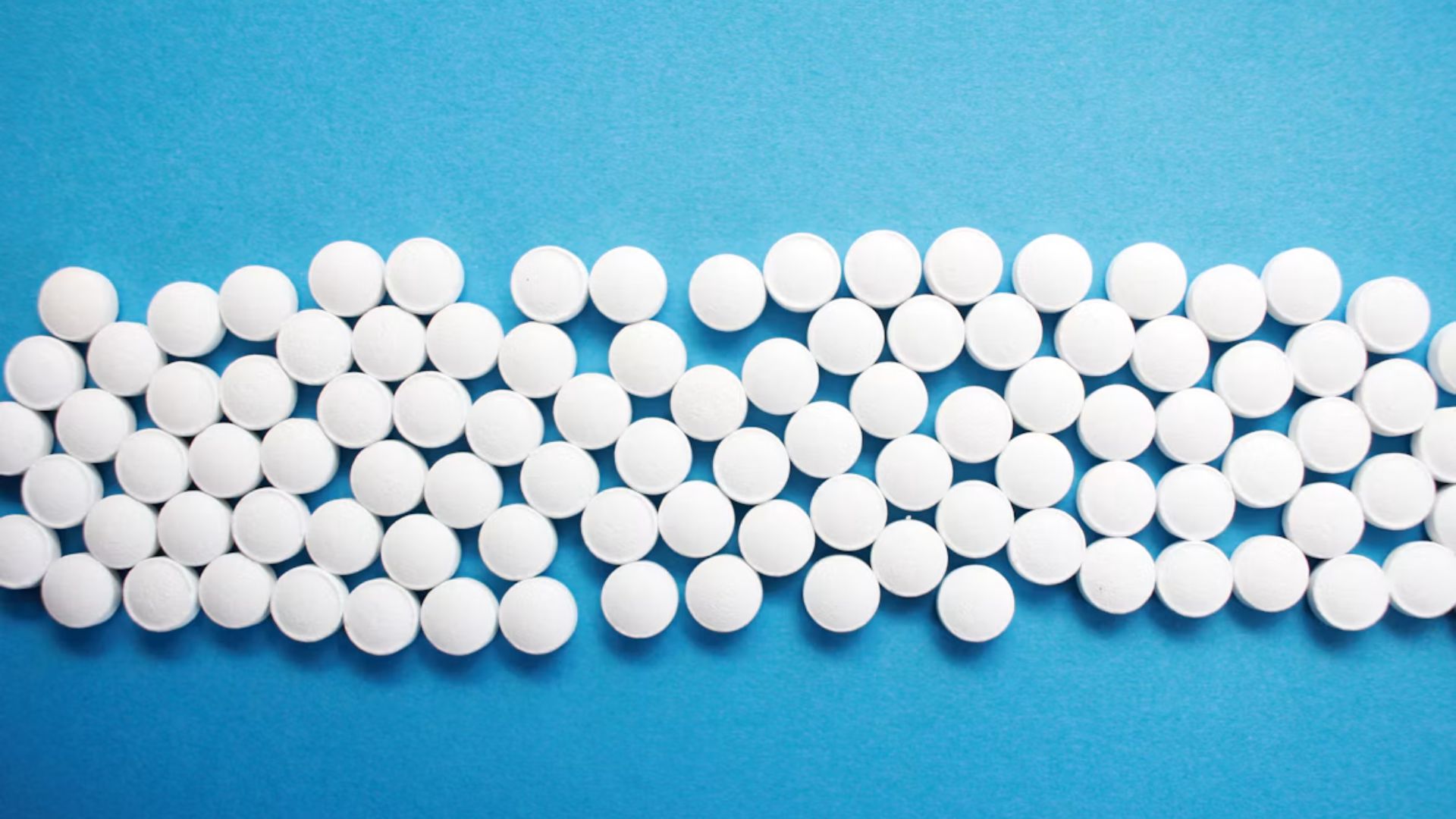
Fentanyl is a synthetic opioid. Pharmaceutical fentanyl can be prescribed in specific medical settings for severe pain, but many overdose deaths involve illegally made fentanyl, which may be sold as powder, mixed into other drugs, or pressed into counterfeit pills. The CDC notes that pharmaceutical fentanyl is not made in pill form, which is one reason street pills claiming to be oxycodone, Xanax, or other medications are especially concerning.
In South Jersey, the issue is not only “opioid use” in the way many families picture it. Someone may believe they are taking a pain pill, anxiety medication, cocaine, or another drug and still be exposed to fentanyl. That uncertainty is why conversations about fentanyl South Jersey risks should include teens, college students, working adults, parents, and anyone using substances outside a verified medical prescription.
Why Fentanyl Is So Dangerous
Fentanyl is dangerous because very small amounts can strongly affect breathing. Opioids slow the central nervous system; during an overdose, breathing can become weak, irregular, or stop. Fentanyl’s potency and rapid onset can leave little time to react, especially when it is combined with alcohol, benzodiazepines, or other sedating substances. SAMHSA emphasizes that opioid overdose is life-threatening and requires immediate emergency attention.
Another major risk is unpredictability. A counterfeit pill or bag of powder may not contain the same amount of fentanyl from one dose to the next. A person’s tolerance may also be lower after detox, incarceration, hospitalization, or a period of not using, making relapse especially dangerous.
Common Exposure Methods, Including Counterfeit Pills
People can be exposed to fentanyl in several ways. Some are intentional, but many are not. Illegally made fentanyl may be swallowed, snorted, smoked, or injected; it may also be present in substances that do not look like opioids.
Common exposure situations include:
- Counterfeit pills: Fake pills may resemble oxycodone, alprazolam, or other prescription medications.
- Powders: Fentanyl can be mixed into heroin, cocaine, methamphetamine, or other powders.
- Polysubstance use: Mixing opioids with alcohol or benzodiazepines increases overdose risk.
- Using alone: If no one is nearby to call 911 or give naloxone, a survivable overdose can become fatal.
- Reduced tolerance: Risk rises after a person has stopped using and then returns to use.
For families in Berlin, Cherry Hill, Washington Township, Voorhees, Deptford, Mount Laurel, and surrounding communities, the key point is simple: if a substance did not come directly from a licensed pharmacy for that person, its contents are uncertain.
Signs of Fentanyl Use, Intoxication, and Overdose
Signs of fentanyl use can vary depending on the person, dose, tolerance, and whether other substances are involved. Some people appear unusually sleepy, detached, or slowed down. Others may have sudden mood changes, isolation, missing money, secretive behavior, or unexplained pills, powders, foil, straws, or syringes.
Possible signs of opioid intoxication include:
- Extreme drowsiness or “nodding off”
- Slowed speech or confusion
- Poor coordination
- Nausea or vomiting
- Small “pinpoint” pupils
- Slow or shallow breathing
Possible signs of overdose include:
- The person will not wake up or respond
- Breathing is slow, stopped, or sounds like choking, snoring, or gurgling
- Lips or fingertips look blue, gray, or pale
- The body is limp
- Skin feels cold or clammy
- Pupils are very small
New Jersey overdose guidance highlights several red flags, including unconsciousness, lack of response, breathing problems, choking or gurgling sounds, and pinpoint pupils. When in doubt, assume it could be an overdose.
What Should You Do During a Suspected Fentanyl Overdose?
During a suspected fentanyl overdose, call 911, give naloxone if available, and stay with the person until help arrives. Do not wait to see if they “sleep it off.” Naloxone can reverse an opioid overdose, but emergency care is still necessary because symptoms can return or other substances may be involved.
Follow these steps:
- Call 911 immediately. Say the person is not breathing normally or may have overdosed.
- Give naloxone. Use nasal spray or another available form according to the package directions.
- Support breathing. If trained, begin rescue breathing or CPR if breathing is very weak or stopped.
- Place the person on their side. This can help reduce choking risk if they vomit.
- Give another naloxone dose if needed. Follow product instructions and dispatcher guidance.
- Stay until emergency responders arrive. Naloxone may wear off before the opioid does.
New Jersey notes that the Good Samaritan Law provides some legal protection to people who call 911 or give naloxone during an overdose situation.
Harm-Reduction Steps That Can Save Lives
Harm reduction does not mean giving up on recovery. It means reducing immediate risk while keeping the door open for treatment, trust, and survival. For fentanyl South Jersey concerns, practical harm-reduction steps can make a real difference.
Consider these safety measures:
- Carry naloxone and make sure family or friends know where it is.
- Use fentanyl test strips when available; the CDC notes they can detect fentanyl in different drug types and forms.
- Avoid using alone. If someone continues to use, having another person present can allow faster emergency response.
- Avoid mixing substances, especially opioids with alcohol or benzodiazepines.
- Start with less, go slow, and pause between doses if a person is not yet ready for treatment.
- Keep communication nonjudgmental. Shame often pushes people further from help.
New Jersey also provides ways to access naloxone, including free and anonymous options through state-supported programs.
Treatment and Recovery Options
Fentanyl addiction is treatable, and many people recover with the right level of care. Treatment may include medical assessment, withdrawal management referrals, medication-assisted treatment, individual therapy, group counseling, relapse-prevention planning, family support, and care for co-occurring mental health conditions.
Liberty Wellness in Berlin, NJ offers outpatient addiction treatment for adults across South Jersey, including communities such as Cherry Hill, Washington Township, Mount Laurel, Deptford, Vineland, and the greater Philadelphia region. Our programs address opioid and fentanyl addiction as well as co-occurring mental health concerns, with levels of care that may include outpatient treatment, intensive outpatient programming, and partial hospitalization.
For many people, recovery begins with one private conversation. A confidential assessment can help determine whether outpatient care is appropriate, whether a higher level of medical support is needed first, and what next steps make sense for the person’s safety, responsibilities, and goals.
Local Resources for Fentanyl South Jersey Help
If fentanyl South Jersey concerns are affecting your family, do not wait for the situation to become more severe. Local and statewide resources can help you act today:
- Emergency overdose response: Call 911 for any suspected overdose.
- Liberty Wellness: Call (866) 558-2635 or visit 20 East Taunton Road, Suite 103, Berlin, NJ 08009 to ask about a confidential assessment and outpatient treatment options.
- ReachNJ: New Jersey residents can call 844-ReachNJ / 844-732-2465 for addiction treatment and recovery help.
- Naloxone access: New Jersey residents can call or text 1-877-4NARCAN to request a naloxone kit anonymously through the mail.
- SAMHSA National Helpline: Call 1-800-662-HELP (4357) for treatment referral and information.
A Compassionate Next Step
If you are worried about yourself, your child, your partner, or a friend, you do not have to solve this alone. Fentanyl is frightening, but support is available, and asking for help is a protective step and not a failure.
Contact Liberty Wellness in Berlin, NJ at (866) 558-2635 to request a confidential assessment. The team can help you understand treatment options and decide what level of support may be appropriate.